

Mental wellbeing is an essential part of living a healthy and fulfilling life. While traditional counseling focuses primarily on addressing emotional and psychological challenges, holistic counseling takes a broader approach by considering the whole person—mind, body, emotions, relationships, lifestyle, and, for some individuals, spiritual wellbeing. This comprehensive perspective recognizes that mental health is influenced by many interconnected factors rather than a single issue.
As awareness of mental health continues to grow, more people are exploring holistic counseling to complement conventional therapeutic approaches. Whether someone is dealing with stress, anxiety, burnout, grief, relationship challenges, or simply seeking greater personal growth, holistic counseling can offer practical strategies and personalized support.
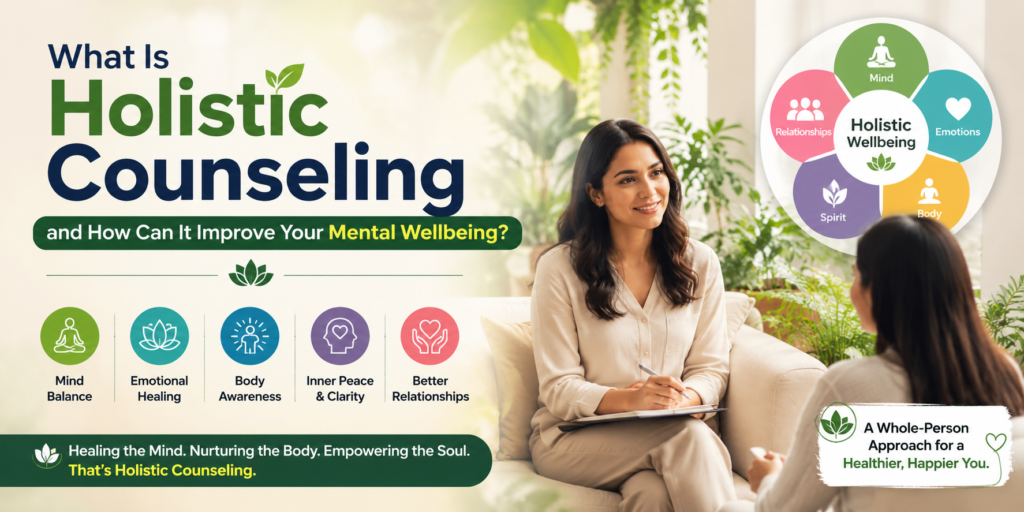
Understanding Holistic Counseling
Holistic counseling is a form of therapy that aims to improve overall wellbeing by addressing multiple aspects of a person’s life. Instead of focusing only on symptoms, holistic counselors work to understand the underlying causes of emotional distress and help individuals develop healthier habits, coping skills, and perspectives.
The word “holistic” means considering the whole person. A holistic counselor recognizes that emotional wellbeing is closely connected to physical health, sleep, nutrition, exercise, social relationships, work-life balance, and environmental factors.
Rather than replacing evidence-based mental health care, holistic counseling often integrates established therapeutic methods with lifestyle-focused strategies to support long-term wellbeing.
The Core Principles of Holistic Counseling
Holistic counseling is based on several key principles:
Treating the Whole Person
Mental health does not exist in isolation. Physical illness, poor sleep, chronic stress, unhealthy relationships, financial pressures, and work demands can all affect emotional wellbeing.
Holistic counseling explores these interconnected areas to create a more complete understanding of a person’s experiences.
Individualized Care
Every person has unique needs, values, goals, and life experiences. Holistic counseling emphasizes personalized treatment rather than a one-size-fits-all approach.
A counselor may recommend different strategies depending on the individual’s challenges and preferences.
Long-Term Wellness
Instead of only managing symptoms, holistic counseling focuses on building lifelong skills that promote resilience, emotional balance, and healthier decision-making.
Conditions That Holistic Counseling Can Support
Holistic counseling may be helpful for individuals experiencing:
- Stress and burnout
- Anxiety
- Mild to moderate depression
- Grief and loss
- Relationship difficulties
- Low self-esteem
- Workplace stress
- Academic pressure
- Emotional exhaustion
- Life transitions
- Parenting challenges
- Chronic illness adjustment
- Caregiver stress
- Personal development goals
It’s important to note that people with severe mental health conditions may require specialized psychiatric care, medication, or other evidence-based treatments. Holistic counseling can sometimes complement—but not replace—these services when appropriate.
Techniques Used in Holistic Counseling
Holistic counselors often combine evidence-based psychotherapy with wellness-oriented practices.
Common approaches include:
Talk Therapy
Many holistic counselors use established therapeutic methods such as:
- Cognitive Behavioral Therapy (CBT)
- Solution-Focused Therapy
- Acceptance and Commitment Therapy (ACT)
- Mindfulness-Based Cognitive Therapy
- Person-Centered Counseling
These approaches help individuals understand thoughts, emotions, and behaviors while developing healthier coping strategies.
Mindfulness
Mindfulness involves paying attention to the present moment without judgment.
Practicing mindfulness may help people:
- Reduce stress
- Improve emotional regulation
- Increase self-awareness
- Manage anxious thoughts
- Improve concentration
Relaxation Techniques
Counselors may teach:
- Deep breathing exercises
- Progressive muscle relaxation
- Guided imagery
- Grounding techniques
These methods can help reduce physical symptoms associated with stress and anxiety.
Lifestyle Assessment
Holistic counseling often explores:
- Sleep habits
- Physical activity
- Nutrition
- Daily routines
- Work-life balance
- Screen time
- Social connections
Improving these areas can positively influence mental wellbeing.
Goal Setting
Counselors help clients establish realistic goals related to:
- Personal growth
- Relationships
- Career
- Health
- Emotional wellbeing
Small, achievable goals can build confidence and motivation.
The Mind-Body Connection
Research continues to show that mental and physical health are closely linked.
For example:
- Poor sleep can worsen anxiety and depression.
- Regular physical activity can improve mood and reduce stress.
- Chronic pain may affect emotional wellbeing.
- Healthy eating patterns may support overall brain health.
Holistic counseling encourages clients to recognize these connections and adopt habits that benefit both mental and physical health.
Benefits of Holistic Counseling
Many people choose holistic counseling because it addresses multiple aspects of wellbeing.
Potential benefits include:
Better Stress Management
Clients learn practical coping strategies that help them respond more effectively to daily challenges.
Improved Emotional Awareness
Counseling helps individuals better understand their emotions and identify patterns that may contribute to distress.
Healthier Relationships
Improved communication, emotional regulation, and self-awareness can strengthen relationships with family, friends, and colleagues.
Increased Self-Confidence
Working through challenges often helps individuals develop greater confidence and resilience.
Better Lifestyle Habits
Many people improve their:
- Sleep routines
- Physical activity
- Time management
- Nutrition
- Self-care practices
Greater Life Satisfaction
Holistic counseling encourages balance across multiple areas of life, which may contribute to greater overall wellbeing.
Who Can Benefit from Holistic Counseling?
Holistic counseling is suitable for a wide range of individuals, including:
Working Professionals
Many professionals experience:
- Workplace stress
- Burnout
- Long working hours
- Career uncertainty
Counseling can help improve stress management and work-life balance.
Students
Academic pressure, examinations, career decisions, and social challenges can affect mental health.
Students may benefit from developing healthy coping skills early in life.
Parents
Parenting brings many rewards but also significant responsibilities.
Holistic counseling can help parents manage stress, improve communication, and maintain emotional wellbeing.
Older Adults
Life transitions such as retirement, health concerns, caregiving responsibilities, or grief may affect emotional health.
Counseling provides support during these important stages of life.
Holistic Counseling and Preventive Mental Health
Mental healthcare should not begin only after a crisis develops.
Many people seek counseling to:
- Build resilience
- Improve emotional intelligence
- Develop healthy coping skills
- Strengthen relationships
- Prevent chronic stress
- Improve overall quality of life
This preventive approach aligns well with holistic counseling principles.
What Happens During a Holistic Counseling Session?
A typical session may include:
- Discussing current concerns
- Exploring emotional experiences
- Identifying stressors
- Reviewing lifestyle habits
- Learning coping strategies
- Setting personal goals
- Practicing mindfulness or relaxation exercises
- Developing action plans for positive change
Each session is tailored to the individual’s needs rather than following a fixed structure.
Choosing the Right Holistic Counselor
When selecting a counselor, consider:
- Professional qualifications and licensing
- Training in evidence-based therapeutic approaches
- Experience treating your specific concerns
- Communication style
- Comfort and trust during sessions
- Availability for follow-up appointments
A strong therapeutic relationship is one of the most important factors in successful counseling.
Supporting Your Mental Wellbeing Beyond Counseling
Holistic counseling works best when combined with healthy daily habits.
Simple practices include:
- Getting adequate sleep each night
- Exercising regularly
- Eating a balanced diet
- Practicing mindfulness or meditation
- Maintaining supportive relationships
- Taking regular breaks from work
- Limiting excessive screen time
- Spending time outdoors
- Pursuing hobbies and creative activities
- Seeking help early when problems arise
Small, consistent lifestyle changes can have a meaningful impact on overall wellbeing.
Common Misconceptions About Holistic Counseling
Several myths discourage people from seeking support.
Myth: Holistic counseling replaces medical treatment.
Fact: It often complements evidence-based medical and psychological care rather than replacing it.
Myth: Counseling is only for people with serious mental illness.
Fact: Many people seek counseling for personal growth, stress management, relationship support, and life transitions.
Myth: Holistic counseling is only about alternative therapies.
Fact: Many holistic counselors integrate scientifically supported therapies with practical lifestyle recommendations tailored to each individual.
When to Seek Immediate Help
While holistic counseling can support many aspects of mental wellbeing, some situations require urgent professional or emergency care. Seek immediate assistance if you or someone else is experiencing:
- Thoughts of self-harm or suicide
- Thoughts of harming others
- Severe confusion or disorientation
- Hallucinations or delusions
- Extreme mood changes
- Inability to care for basic needs
- A mental health crisis following trauma or substance use
In these situations, contact your local emergency services or a qualified mental health professional immediately.
Conclusion
Holistic counseling offers a comprehensive approach to improving mental wellbeing by recognizing the close connection between emotional, physical, social, and lifestyle factors. Rather than focusing only on symptoms, it helps individuals understand the root causes of stress and emotional challenges while building healthier habits, stronger coping skills, and greater resilience.
Whether you are navigating anxiety, burnout, relationship difficulties, grief, or simply seeking personal growth, holistic counseling can provide valuable guidance and practical tools for long-term wellbeing. Combined with healthy lifestyle choices and, when appropriate, evidence-based medical or psychological care, holistic counseling can play an important role in supporting a healthier, more balanced, and fulfilling life.